
The psychology behind risk-taking in gambling behavior
The Nature of Risk in Gambling
Risk-taking is an inherent part of the gambling experience, characterized by the uncertain outcomes that attract many individuals. Gamblers often engage in this behavior because it provides an adrenaline rush, a feeling often referred to as “the thrill of the game.” This thrill can be a significant driver behind why individuals choose to gamble, as it creates a sense of excitement and anticipation that can be both exhilarating and addictive. In fact, you can even try the Chicken Road real money game to see how risk and reward tangibly interplay.
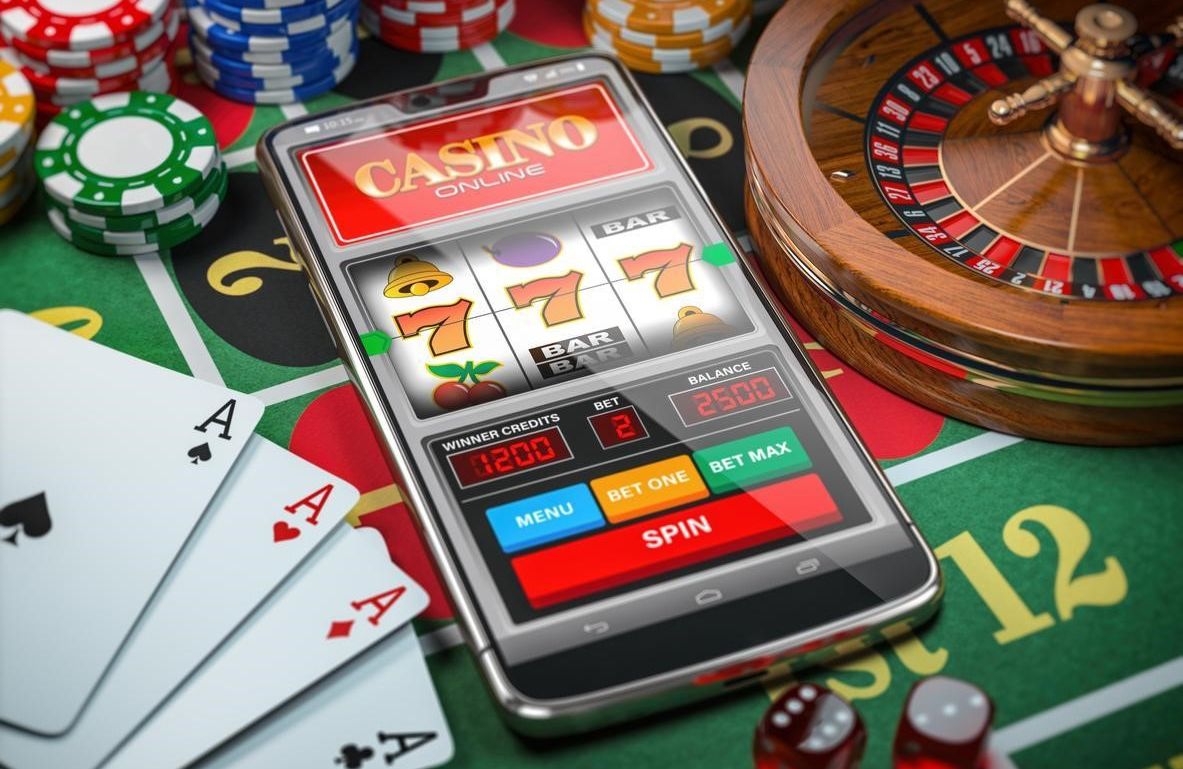
Moreover, the concept of risk is tied to the idea of reward. When individuals gamble, they are not just betting money; they are placing their hopes on winning a larger sum. The psychological allure of the potential payoff can often outweigh the rational assessment of the risks involved. This is particularly true in environments designed to maximize these feelings, such as casinos, where stimuli are carefully curated to enhance the gambling experience.
Several psychological factors contribute to an individual’s propensity for risk-taking in gambling. Cognitive biases, such as the illusion of control, lead players to believe they can influence outcomes, even in games based purely on chance. This belief can encourage them to take more significant risks, as they feel empowered by a false sense of mastery over the game.
Another influential factor is the phenomenon of reinforcement. Winning a bet triggers the release of dopamine in the brain, creating feelings of pleasure and satisfaction. This response can reinforce future risk-taking behavior, leading individuals to chase losses or repeat behaviors that once resulted in wins, often neglecting the underlying probability of losing. Understanding these psychological undercurrents is vital for beginners venturing into gambling.
Emotions play a crucial role in gambling behavior, often influencing decision-making processes. Many gamblers experience heightened emotional states, such as excitement or anxiety, which can cloud judgment. For instance, during a losing streak, the emotional distress can lead to increased risk-taking as individuals seek to recover their losses, often resulting in further financial setbacks.
Conversely, when gamblers are winning, they may experience euphoria, prompting them to increase their bets and take more significant risks. This emotional rollercoaster can lead to a cyclical pattern where highs and lows dictate gambling behavior, often reinforcing the idea that risk-taking is a necessary component of the gambling experience.
The social environment surrounding gambling can significantly affect individual behavior. Peer pressure and social norms can encourage risk-taking, as individuals often feel compelled to conform to the behaviors of those around them. In social settings, the excitement can amplify, pushing individuals to gamble in ways they might not consider when alone.
Additionally, the cultural context of gambling varies widely, influencing how risk is perceived and accepted. In some societies, gambling is seen as a legitimate form of entertainment, while in others, it may carry social stigma. These differing perceptions can shape an individual’s willingness to engage in risk-taking behavior, highlighting the interplay between individual psychology and broader social factors.

At our platform, we aim to provide insights into the fascinating world of gambling and the psychological aspects that drive behavior. Understanding the complexities of risk-taking in gambling is essential for both players and industry stakeholders. We strive to offer valuable information that helps individuals make informed decisions and enjoy a responsible gaming experience.
Whether you are a beginner looking to explore the world of gambling or an experienced player seeking to deepen your understanding, our resources are designed to enhance your knowledge. Join us in uncovering the captivating interplay between psychology and gambling behavior.
“`