
Exploring the psychology behind casino gambling habits
The Allure of Casino Environments
The atmosphere inside a casino is carefully crafted to enhance the gambling experience. Bright lights, vibrant colors, and engaging sounds create a sensory-rich environment that draws players in. This ambiance is not merely decorative; it triggers excitement and entices visitors to spend more time at the gaming tables or machines. By appealing to various senses, casinos can encourage longer stays and increased spending.
Furthermore, the design of these spaces often includes strategically placed amenities such as bars and restaurants, ensuring that gamblers remain comfortable and well-fed. This layout fosters a seamless flow from gaming to socialization, reinforcing the idea that gambling is not just a solitary activity but a social experience. As individuals become more immersed in this captivating environment, their decision-making can be influenced by the thrill of the moment, further impacting their gambling habits.
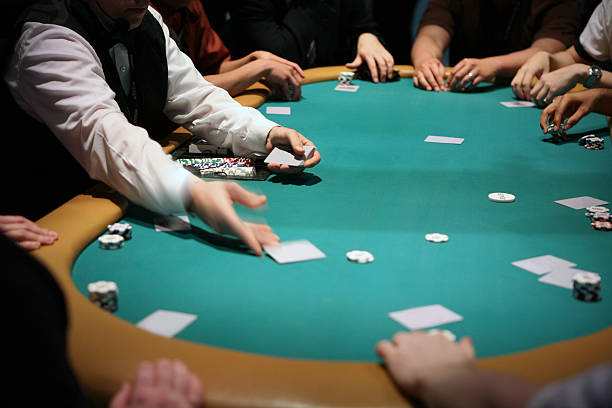
In addition to sensory elements, casinos also employ psychological tactics to maximize engagement. This includes offering loyalty programs and promotional events that create a sense of belonging and reward. The more players feel connected to the casino—emotionally and socially—the more likely they are to return. By building a community around the gambling experience, casinos enhance player loyalty, making it harder for individuals to step away, even when they might need to.
The Role of Cognitive Biases
Cognitive biases play a crucial role in shaping gambling behavior. For example, the “gambler’s fallacy” leads individuals to believe that past events can influence future outcomes. A person may think a slot machine is “due” for a win after a series of losses, which propels them to keep playing. Such misconceptions can fuel continuous play, often resulting in significant financial losses.
Additionally, the concept of near-misses can exacerbate this behavior. When players come close to winning—a near-miss on a slot machine or a card game—they experience heightened emotions, which can motivate them to continue gambling. This phenomenon can create a cycle where the excitement of almost winning overshadows the reality of losing, perpetuating the gambling habit.

Another cognitive bias that shapes gambling behavior is the illusion of control. Gamblers often believe they have more influence over outcomes than they actually do, especially in games of skill. This belief can lead to overconfidence and increased betting, ultimately contributing to the cycle of gambling addiction.
Emotion and Decision-Making in Gambling
Emotions significantly influence gambling decisions. People often gamble to escape from stress, anxiety, or emotional pain. In this context, gambling serves as a coping mechanism, providing temporary relief from real-life issues. However, this reliance on gambling for emotional regulation can lead to compulsive behavior, making it difficult for individuals to recognize when the activity becomes harmful.
Moreover, the thrill associated with winning can create a rush that fosters addiction. Players often chase that euphoric high, leading them to take greater risks. This quest for excitement changes their perception of risk and reward, making it easier to disregard the potential for loss. Such emotional entanglement contributes to a cycle where individuals gamble more as they seek that exhilarating feeling over and over.
Conversely, the emotions tied to loss can also complicate decision-making. Many gamblers fall into a trap of “chasing losses,” where they continue to bet in an attempt to recoup previous losses. This behavior is often fueled by hope and denial, as individuals cling to the expectation that a big win is just around the corner.
Gambling as a Social Activity
Gambling is often viewed as a social activity, encouraging interaction between players. Many individuals are drawn to casinos not just for the games but for the communal experiences they offer. Social connections can amplify the joys of winning as well as the shared experiences of losing, making the act of gambling more appealing.
In group settings, there’s often a natural inclination to mimic the behavior of others, which can affect individual gambling habits. If many friends are participating in a game, a person may feel pressured to join in, even if it conflicts with their personal financial strategy. This social influence highlights the communal aspect of gambling, demonstrating that habits can be shaped by the presence and actions of others.
The social aspect extends beyond just friends; strangers may also become part of the gambling experience. Observing others celebrating a win can evoke a sense of camaraderie amongst players, leading to stronger emotional investments in the game. This environment fosters not only excitement but also a sense of belonging, which keeps individuals returning to gambling venues.
Your Resources for Responsible Gambling
Understanding the psychology behind gambling is important for promoting responsible habits. Various resources, including brochures, counseling, and support groups, can help individuals navigate their gambling experiences more effectively. Learning about cognitive biases, emotional influences, and social pressures can empower players to make informed decisions.
Additionally, engaging with platforms that promote safe gambling practices, such as online pokies, can help individuals enjoy gaming responsibly. By acknowledging the psychological aspects of gambling, players can cultivate healthier habits that ensure enjoyment without negative consequences, thereby fostering a more sustainable relationship with gambling.
For those who find themselves struggling, it’s crucial to seek help early. Many organizations offer support and resources tailored specifically for individuals facing gambling challenges. By fostering open conversations about gambling and its effects, society can work towards minimizing harm while allowing for enjoyable experiences in regulated environments.