Recognizing the signs of gambling addiction A guide for family and friends
Understanding Gambling Addiction
Gambling addiction, also known as compulsive gambling, is a serious condition that affects individuals and their loved ones. It is characterized by an uncontrollable urge to gamble despite the negative consequences. This addiction can lead to significant financial, emotional, and social problems, making it vital for family and friends to recognize its signs early on. In the world of gaming, both online options and traditional venues present opportunities for entertainment, such as the ice fishing casino, highlighting the diverse choices gamblers face. Understanding the nature of gambling addiction is the first step toward providing support and encouraging recovery.
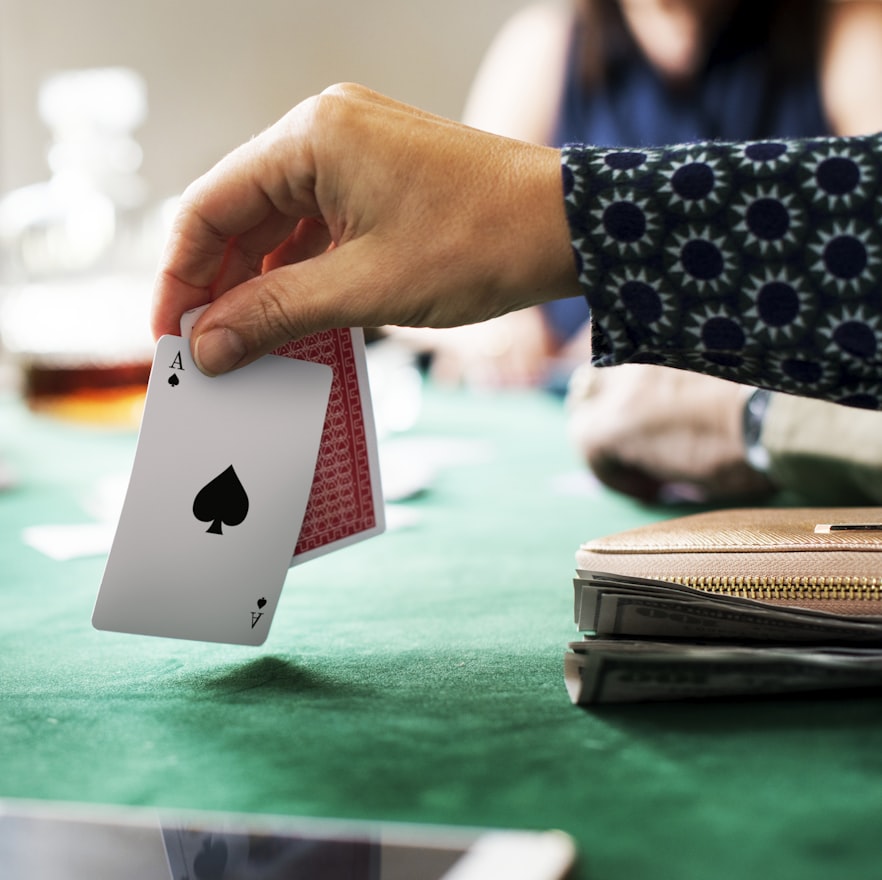
The impact of gambling addiction extends beyond the individual. It can strain relationships and lead to feelings of betrayal, frustration, and helplessness among family members. Recognizing the signs can help loved ones intervene before the situation escalates, enabling a healthier path forward for everyone involved.
Common Signs of Gambling Addiction
Recognizing the common signs of gambling addiction is crucial. One of the most telling indicators is the increased preoccupation with gambling. An individual may frequently talk about gambling, plan the next gambling session, or continuously think about past bets and wins. They may also hide their gambling habits, leading to secrecy and dishonesty, which can further complicate relationships.
Another key sign is the inability to stop gambling despite repeated attempts. When individuals find themselves chasing losses or gambling to escape personal problems, it indicates a deeper issue. Increased tolerance—needing to gamble larger amounts to achieve the same thrill—is also a significant red flag that should not be ignored.
The Emotional Toll of Gambling Addiction
The emotional consequences of gambling addiction can be profound. Individuals may experience feelings of guilt, anxiety, or depression as they grapple with their addiction. This emotional turmoil often leads to isolation, as they may withdraw from friends and family out of shame or fear of judgment.
Family members may also experience a rollercoaster of emotions, including anger, sadness, and frustration. The stress of dealing with a loved one’s addiction can take a toll on mental health, making it essential for families to seek support and maintain open lines of communication to address these challenges effectively.
How to Approach a Loved One About Their Gambling Behavior
Approaching a loved one about their gambling habits requires sensitivity and understanding. It’s important to choose the right time and setting to have this difficult conversation. Speak openly about your concerns, using specific examples to illustrate how their gambling has affected you and others. Avoid being confrontational; instead, express your care and willingness to help.
Encouraging open dialogue can foster an environment where the individual feels safe to share their feelings and experiences. It may also be beneficial to offer resources for support, such as counseling or support groups, emphasizing that seeking help is a sign of strength, not weakness.
Resources for Family and Friends
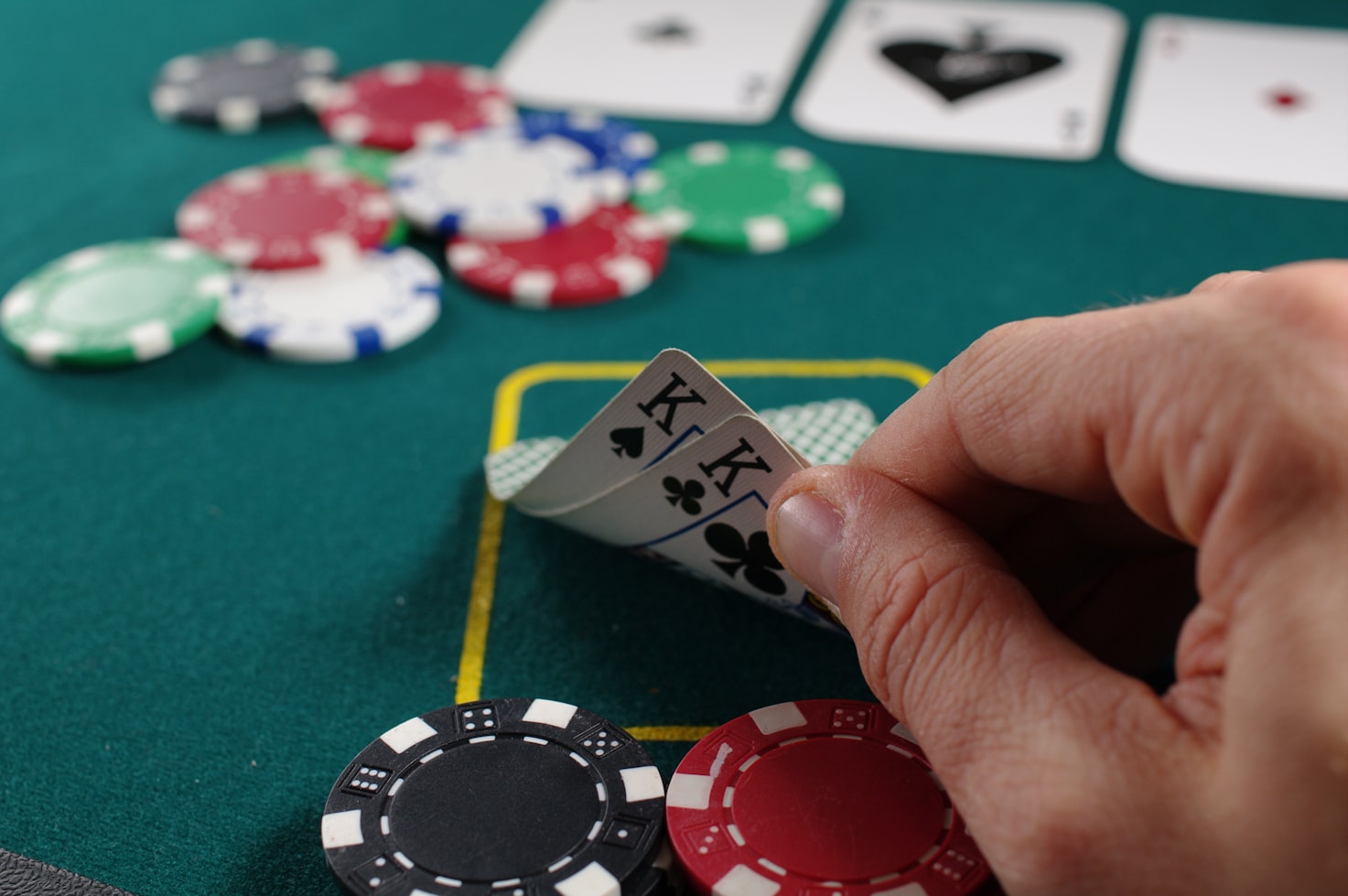
Various resources are available for families and friends of those struggling with gambling addiction. Support groups provide a platform for sharing experiences, offering comfort and advice from those in similar situations. These groups can help foster understanding and resilience, allowing family members to process their emotions together.
Additionally, professional counseling can provide tailored strategies for coping and recovery. Families can benefit from therapy that addresses the dynamics of addiction, helping everyone involved to heal and rebuild relationships. Recognizing the signs of gambling addiction is a critical step, and accessing the right resources can significantly aid in recovery.